Top videos
Sanskrit recitation, followed by Hindi translation.
Text:
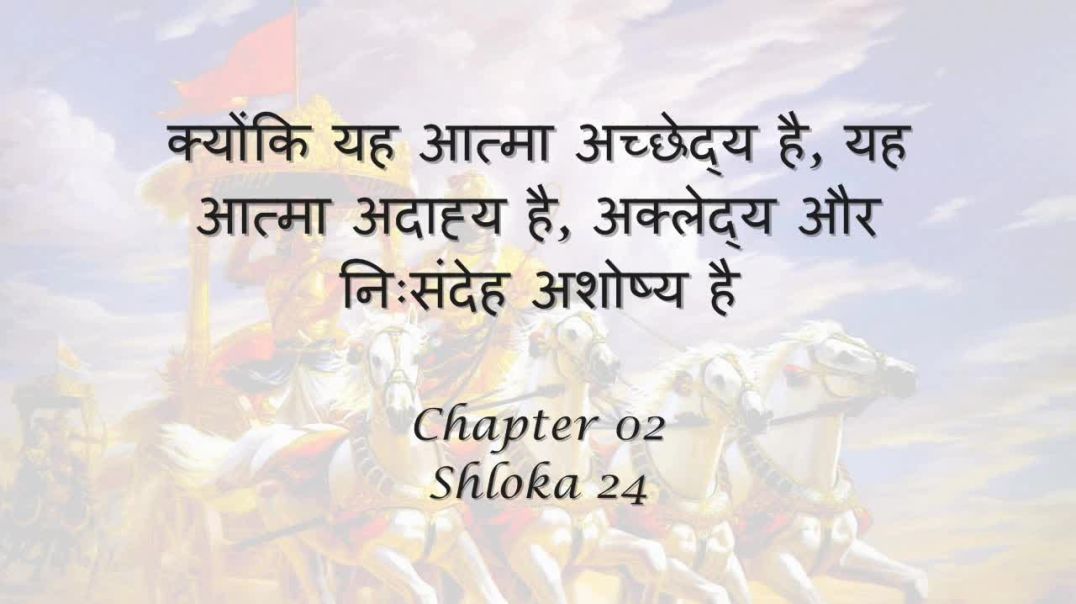
अच्छेद्योऽयमदाह्योऽयमक्लेद्योऽशोष्य एव च।
नित्यः सर्वगतः स्थाणुरचलोऽयं सनातनः।।२४।।
Translation:
क्योंकि यह आत्मा अच्छेद्य है, यह आत्मा अदाह्य है, अक्लेद्य और निःसंदेह अशोष्य है तथा यह आत्मा नित्य, सर्वव्यापि, अचल, स्थिर रहने वाला और सनातन है ।
~~~~~~~~~~~~~~~~
OVERVIEW:
The Bhagavad Gita is a 700-verse scripture that is part of the Hindu epic Mahabharata. This scripture contains a conversation between Pandava prince Arjuna and his guide Lord Krishna on a variety of theological and philosophical issues.
Faced with a fratricidal war, a despondent Arjuna turns to his charioteer Krishna for counsel on the battlefield. Krishna, through the course of the Gita, imparts to Arjuna wisdom, the path to devotion, and the doctrine of selfless action.
Sanskrit recitation, followed by Hindi translation.
Text:
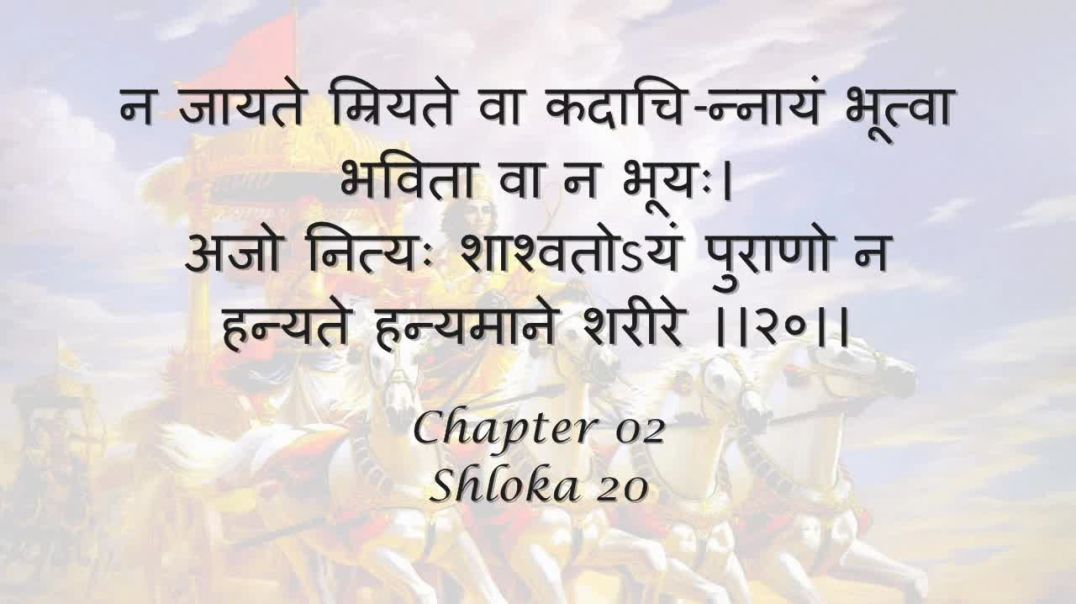
न जायते म्रियते वा कदाचि-न्नायं भूत्वा भविता वा न भूयः।
अजो नित्यः शाश्वतोऽयं पुराणो न हन्यते हन्यमाने शरीरे।।२०।।
Translation:
यह आत्मा किसी काल में भी न तो जनमता है और न मरता ही है तथा न यह उत्पन्न होकर फिर होने वाला ही है क्योंकि यह अजन्मा, नित्य, सनातन और पुरातन है। शरीर के मारे जाने पर भी यह नहीं मारा जाता।
~~~~~~~~~~~~~~~~
OVERVIEW:
The Bhagavad Gita is a 700-verse scripture that is part of the Hindu epic Mahabharata. This scripture contains a conversation between Pandava prince Arjuna and his guide Lord Krishna on a variety of theological and philosophical issues.
Faced with a fratricidal war, a despondent Arjuna turns to his charioteer Krishna for counsel on the battlefield. Krishna, through the course of the Gita, imparts to Arjuna wisdom, the path to devotion, and the doctrine of selfless action.
SHOW LESS

How to tie a tie for School (Easy)#necktie #tievideos #VideoshedioHow to tie a tie
Sanskrit recitation, followed by Hindi translation.
Text:
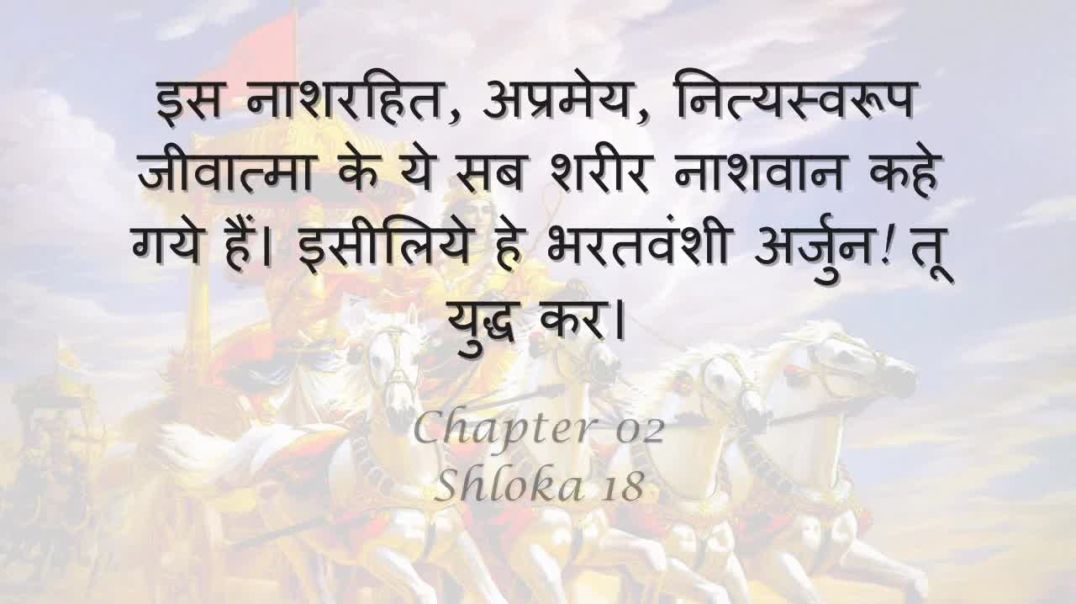
अन्तवन्त इमे देहा नित्यस्योक्ताः शरीरिणः।
अनाशिनोऽप्रमेयस्य तस्माद्युध्यस्व भारत।।१८।।
Translation:
इस नाशरहित, अप्रमेय, नित्यस्वरूप जीवात्मा के ये सब शरीर नाशवान कहे गये हैं। इसीलिये हे भरतवंशी अर्जुन ! तू युद्ध कर।
~~~~~~~~~~~~~~~~
OVERVIEW:
The Bhagavad Gita is a 700-verse scripture that is part of the Hindu epic Mahabharata. This scripture contains a conversation between Pandava prince Arjuna and his guide Lord Krishna on a variety of theological and philosophical issues.
Faced with a fratricidal war, a despondent Arjuna turns to his charioteer Krishna for counsel on the battlefield. Krishna, through the course of the Gita, imparts to Arjuna wisdom, the path to devotion, and the doctrine of selfless action.
Sanskrit recitation, followed by Hindi translation.
Text:
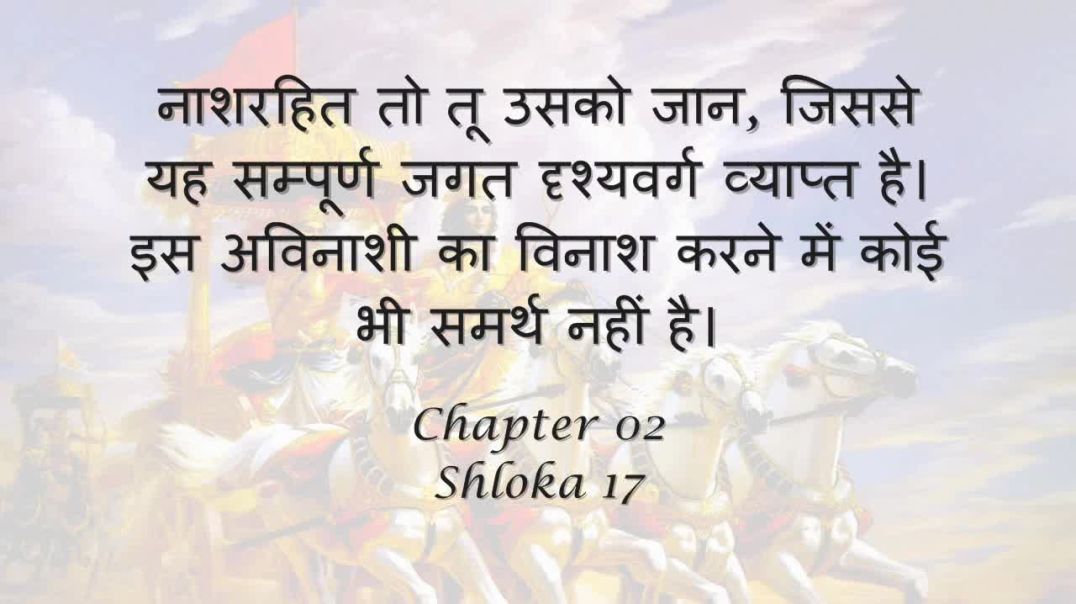
अविनाशि तु तद्विद्धि येन सर्वमिदं ततम्।
विनाशमव्ययस्यास्य न कश्चित्कर्तुमर्हति।।१७।।
Translation:
नाशरहित तो तू उसको जान, जिससे यह सम्पूर्ण जगत दृश्यवर्ग व्याप्त है। इस अविनाशी का विनाश करने में कोई भी समर्थ नहीं है।
~~~~~~~~~~~~~~~~
OVERVIEW:
The Bhagavad Gita is a 700-verse scripture that is part of the Hindu epic Mahabharata. This scripture contains a conversation between Pandava prince Arjuna and his guide Lord Krishna on a variety of theological and philosophical issues.
Faced with a fratricidal war, a despondent Arjuna turns to his charioteer Krishna for counsel on the battlefield. Krishna, through the course of the Gita, imparts to Arjuna wisdom, the path to devotion, and the doctrine of selfless action.

vinnapaalu vinavale vintha vinthalu
pannagapu domathera paikethavelayya
vinnapaalu vinavale....
thellavare jamekke devathalu munulu
allanalla nantha nintha nadivo vaare
challani thammi rekula sarasyapu kannulu
mella mellane vicchi melu kona velayya
vinnapaalu vinavale....
~~~~~~~~~~~~~~~~
INFO:
Track: Vinnapaalu
Album: Sri Annamacharya Nitya Sankeerthanalu Part - 1
Performer: Nemani Suryaprakash
Sanskrit recitation, followed by Hindi translation.
Text:
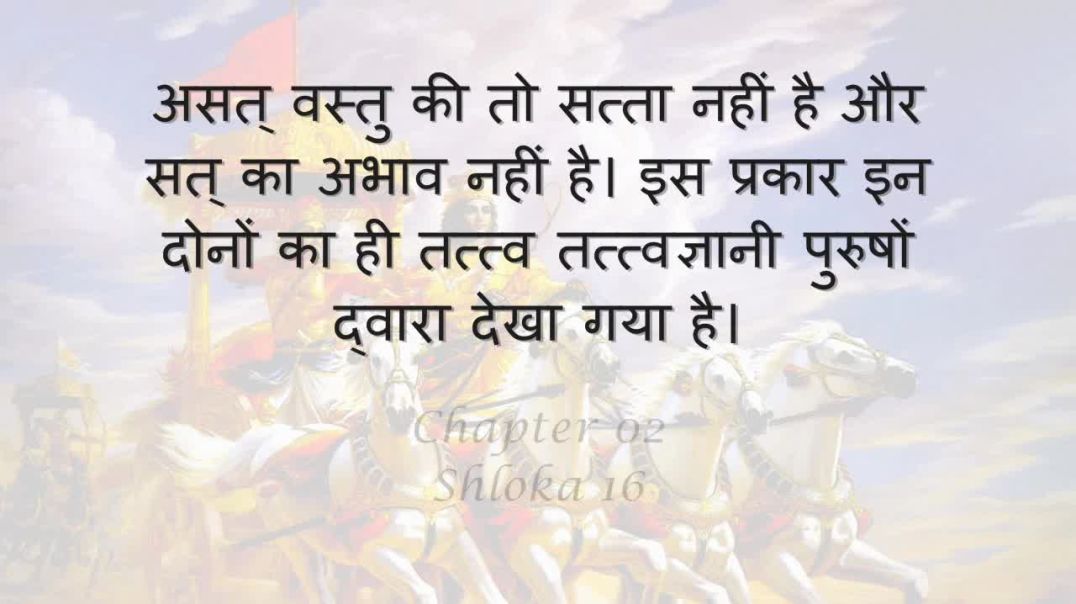
नासतो विद्यते भावो नाभावो विद्यते सतः।
उभयोरपि दृष्टोऽन्तस्त्वनयोस्तत्त्वदर्शिभिः।।१६।।
Translation:
असत् वस्तु की तो सत्ता नहीं है और सत् का अभाव नहीं है। इस प्रकार इन दोनों का ही तत्त्व तत्त्वज्ञानी पुरुषों द्वारा देखा गया है।
~~~~~~~~~~~~~~~~
OVERVIEW:
The Bhagavad Gita is a 700-verse scripture that is part of the Hindu epic Mahabharata. This scripture contains a conversation between Pandava prince Arjuna and his guide Lord Krishna on a variety of theological and philosophical issues.
Faced with a fratricidal war, a despondent Arjuna turns to his charioteer Krishna for counsel on the battlefield. Krishna, through the course of the Gita, imparts to Arjuna wisdom, the path to devotion, and the doctrine of selfless action.
SHOW LESS
Sanskrit recitation, followed by Hindi translation.
Text:
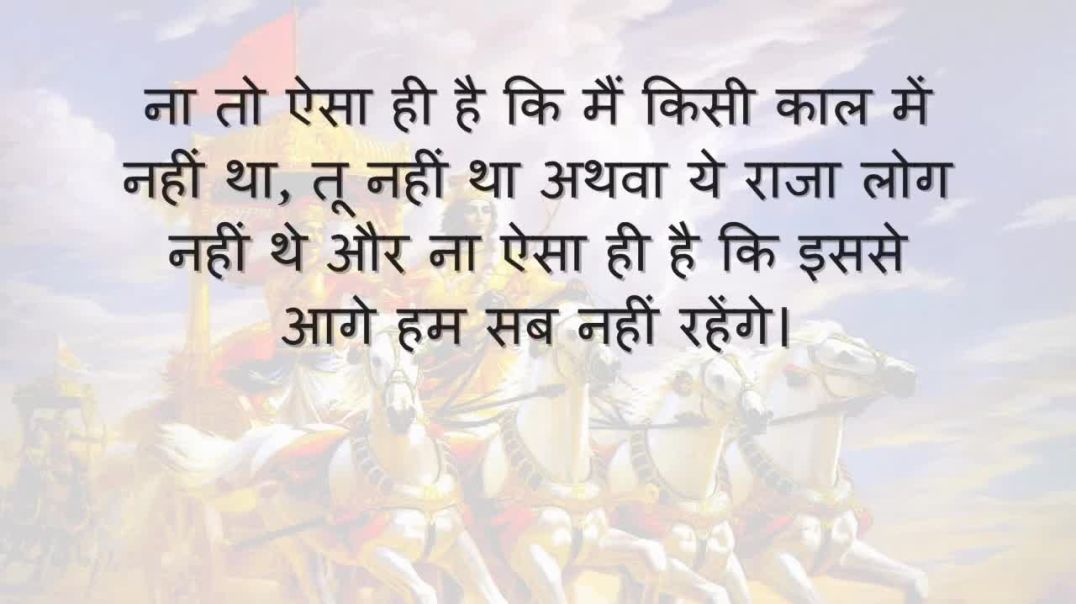
न त्वेवाहं जातु नासं न त्वं नेमे जनाधिपाः।
न चैव न भविष्यामः सर्वे वयमतः परम्।।१२।।
Translation:
ना तो ऐसा ही है कि मैं किसी काल में नहीं था, तू नहीं था अथवा ये राजा लोग नहीं थे और ना ऐसा ही है कि इससे आगे हम सब नहीं रहेंगे।
~~~~~~~~~~~~~~~~
OVERVIEW:
The Bhagavad Gita is a 700-verse scripture that is part of the Hindu epic Mahabharata. This scripture contains a conversation between Pandava prince Arjuna and his guide Lord Krishna on a variety of theological and philosophical issues.
Faced with a fratricidal war, a despondent Arjuna turns to his charioteer Krishna for counsel on the battlefield. Krishna, through the course of the Gita, imparts to Arjuna wisdom, the path to devotion, and the doctrine of selfless action.
Sanskrit recitation, followed by Hindi translation.
Text:
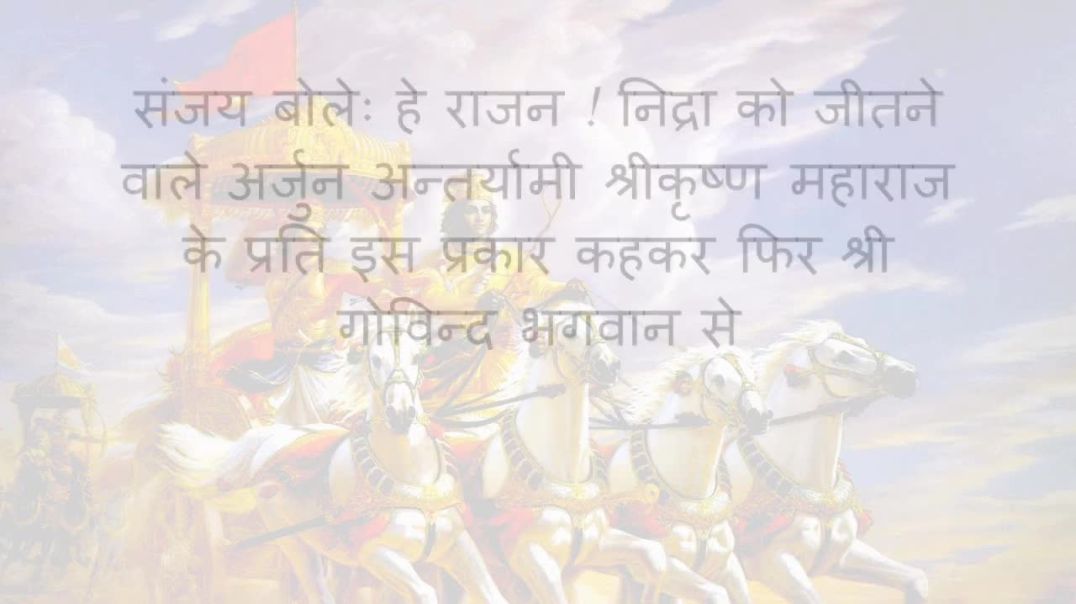
संजय उवाच
एवमुक्त्वा हृषिकेशं गुडाकेशः परन्तप।
न योत्स्य इति गोविन्दमुक्त्वा तूष्णीं बभूव ह।।९।।
Translation:
संजय बोलेः हे राजन ! निद्रा को जीतने वाले अर्जुन अन्तर्यामी श्रीकृष्ण महाराज के प्रति इस प्रकार कहकर फिर श्री गोविन्द भगवान से 'युद्ध नहीं करूँगा' यह स्पष्ट कहकर चुप हो गये ।
~~~~~~~~~~~~~~~~
OVERVIEW:
The Bhagavad Gita is a 700-verse scripture that is part of the Hindu epic Mahabharata. This scripture contains a conversation between Pandava prince Arjuna and his guide Lord Krishna on a variety of theological and philosophical issues.
Faced with a fratricidal war, a despondent Arjuna turns to his charioteer Krishna for counsel on the battlefield. Krishna, through the course of the Gita, imparts to Arjuna wisdom, the path to devotion, and the doctrine of selfless action.
Sanskrit recitation, followed by Hindi translation.
Text:
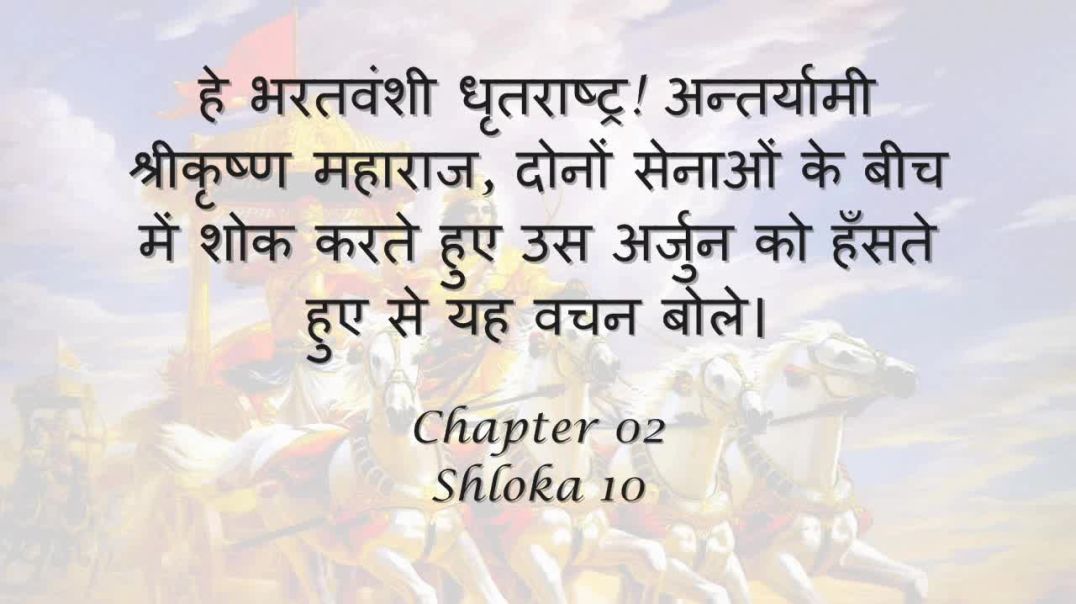
तमुवाच हृषिकेशः प्रहसन्निव भारत।
सेनयोरुभयोर्मध्ये विषीदन्तमिदं वचः।।१०।।
Translation:
हे भरतवंशी धृतराष्ट्र! अन्तर्यामी श्रीकृष्ण महाराज दोनों सेनाओं के बीच में शोक करते हुए उस अर्जुन को हँसते हुए से यह वचन बोले।
~~~~~~~~~~~~~~~~
OVERVIEW:
The Bhagavad Gita is a 700-verse scripture that is part of the Hindu epic Mahabharata. This scripture contains a conversation between Pandava prince Arjuna and his guide Lord Krishna on a variety of theological and philosophical issues.
Faced with a fratricidal war, a despondent Arjuna turns to his charioteer Krishna for counsel on the battlefield. Krishna, through the course of the Gita, imparts to Arjuna wisdom, the path to devotion, and the doctrine of selfless action.
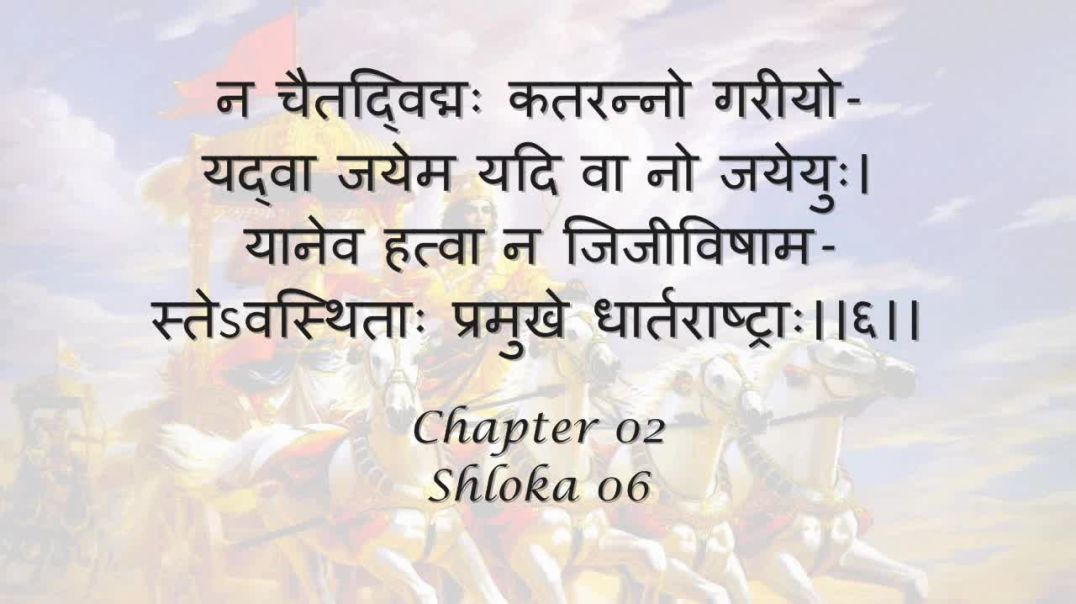
Sanskrit recitation, followed by Hindi translation.
Text:
कार्पण्यदोषोपहतस्वभावः
पृच्छामि त्वां धर्मसम्मूढचेताः।
यच्छ्रेयः स्यान्निश्चितं ब्रूहि तन्मे
शिष्यस्तेऽहं शाधि मां त्वां प्रपन्नम् ।।७।।
Translation:
इसलिए कायरतारूप दोष से उपहत हुए स्वभाववाला तथा धर्म के विषय में मोहित चित्त हुआ मैं आपसे पूछता हूँ कि जो साधन निश्चित कल्याणकारक हो, वह मेरे लिए कहिए क्योंकि मैं आपका शिष्य हूँ, इसलिए आपके शरण हुए मुझको शिक्षा दीजिए।
~~~~~~~~~~~~~~~~
OVERVIEW:
The Bhagavad Gita is a 700-verse scripture that is part of the Hindu epic Mahabharata. This scripture contains a conversation between Pandava prince Arjuna and his guide Lord Krishna on a variety of theological and philosophical issues.
Faced with a fratricidal war, a despondent Arjuna turns to his charioteer Krishna for counsel on the battlefield. Krishna, through the course of the Gita, imparts to Arjuna wisdom, the path to devotion, and the doctrine of selfless action.
SHOW LESS
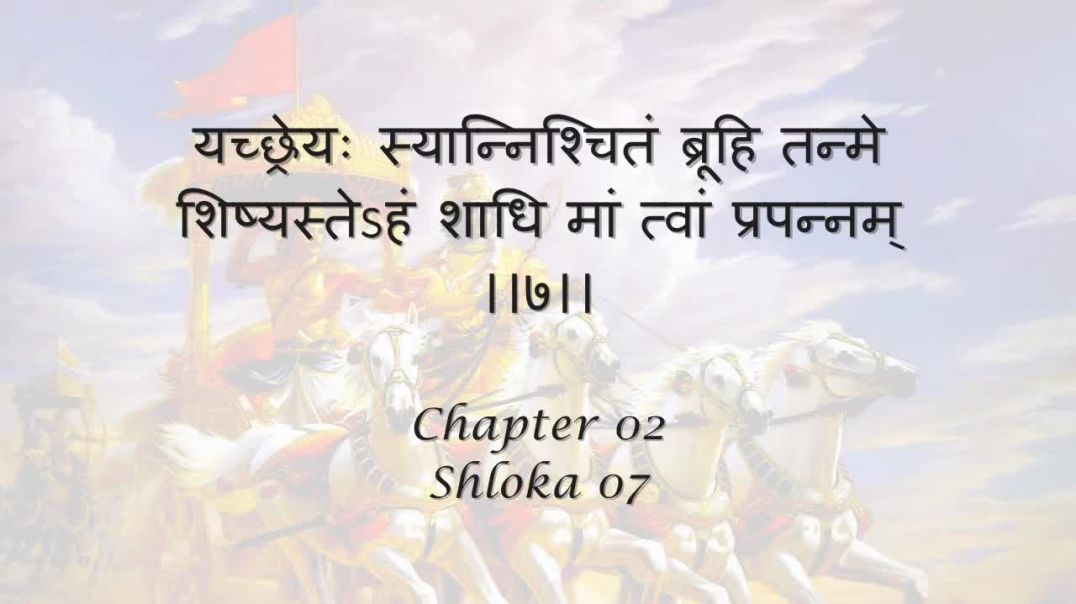
Sanskrit recitation, followed by Hindi translation.
Text:
कार्पण्यदोषोपहतस्वभावः
पृच्छामि त्वां धर्मसम्मूढचेताः।
यच्छ्रेयः स्यान्निश्चितं ब्रूहि तन्मे
शिष्यस्तेऽहं शाधि मां त्वां प्रपन्नम् ।।७।।
Translation:
इसलिए कायरतारूप दोष से उपहत हुए स्वभाववाला तथा धर्म के विषय में मोहित चित्त हुआ मैं आपसे पूछता हूँ कि जो साधन निश्चित कल्याणकारक हो, वह मेरे लिए कहिए क्योंकि मैं आपका शिष्य हूँ, इसलिए आपके शरण हुए मुझको शिक्षा दीजिए।
~~~~~~~~~~~~~~~~
OVERVIEW:
The Bhagavad Gita is a 700-verse scripture that is part of the Hindu epic Mahabharata. This scripture contains a conversation between Pandava prince Arjuna and his guide Lord Krishna on a variety of theological and philosophical issues.
Faced with a fratricidal war, a despondent Arjuna turns to his charioteer Krishna for counsel on the battlefield. Krishna, through the course of the Gita, imparts to Arjuna wisdom, the path to devotion, and the doctrine of selfless action.
SHOW LESS

सिद्ध दुर्गा मंत्र - विश्वव्यापी विपत्ति नाश मंत्र (Vishwavyaapi Vipatti Nash Mantra)
Mantra recitation, followed by Hindi explanation.
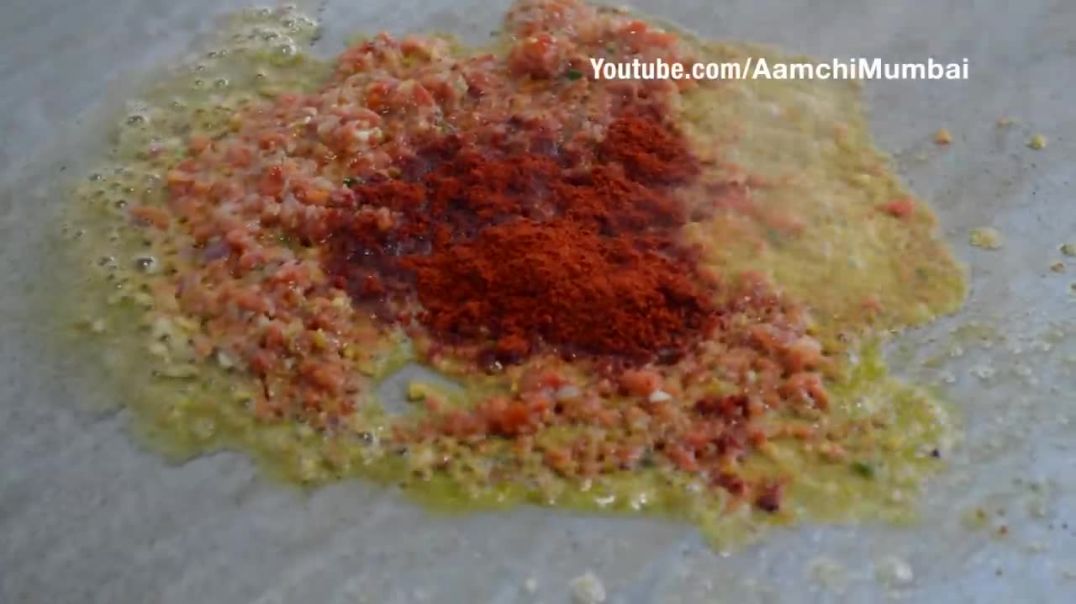
#Food#mumbaifood#foodvlogs#foodvideos#videoshedio#amchimumbai
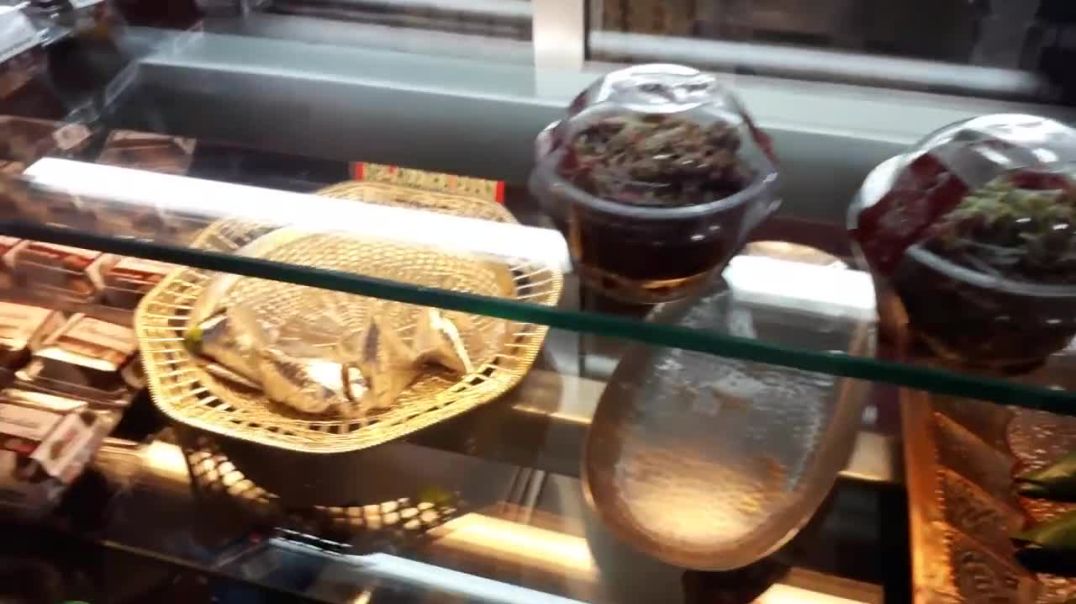
#Food#mumbaifood#foodvlogs#foodvideos#videoshedio#amchimumbai

सिद्ध दुर्गा मंत्र - रक्षा प्राप्ति मंत्र (Raksha Prapti Mantra)
Mantra recitation, followed by Hindi explanation.
#Food#mumbaifood#foodvlogs#foodvideos#videoshedio#amchimumbai

#Food#mumbaifood#foodvlogs#foodvideos#videoshedio#amchimumbai

सिद्ध दुर्गा मंत्र - विश्व रक्षा मंत्र (Vishwa Raksha Mantra)
Mantra recitation, followed by Hindi explanation.
Sanskrit recitation, followed by Hindi translation.
Text:
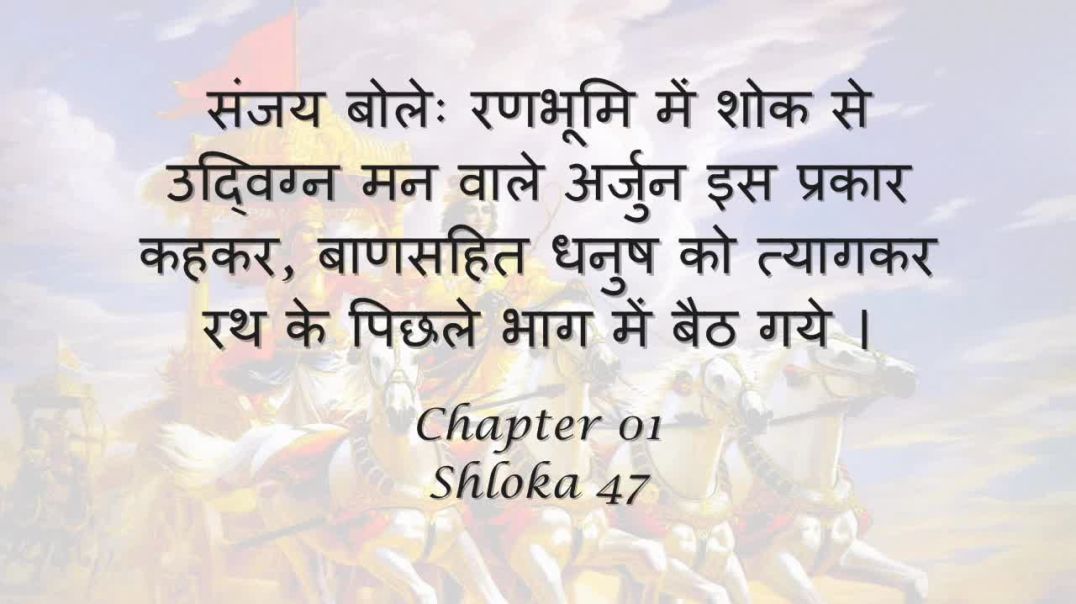
संजय उवाच
एवमुक्त्वार्जुनः संख्ये रथोपस्थ उपाविशत्।
विसृज्य सशरं चापं शोकसंविग्नमानसः ।।४७।
Translation:
संजय बोलेः रणभूमि में शोक से उद्विग्न मन वाले अर्जुन इस प्रकार कहकर, बाणसहित धनुष को त्यागकर रथ के पिछले भाग में बैठ गये ।
~~~~~~~~~~~~~~~~
OVERVIEW:
The Bhagavad Gita is a 700-verse scripture that is part of the Hindu epic Mahabharata. This scripture contains a conversation between Pandava prince Arjuna and his guide Lord Krishna on a variety of theological and philosophical issues.
Faced with a fratricidal war, a despondent Arjuna turns to his charioteer Krishna for counsel on the battlefield. Krishna, through the course of the Gita, imparts to Arjuna wisdom, the path to devotion, and the doctrine of selfless action.
SHOW LESS