Top videos

Sare Aam Dhamki Aa Gai 🤗_ Rabia Ahmad Vlogs
shorties,quickies,reels,shorts,videos,
Rabias_Village_Food

Village Style Desi Mutter Pulao 👌__Village food __Rabia Ahmad Vlogs
shorties,quickies,reels,shorts,videos,Rabias_Village_Food
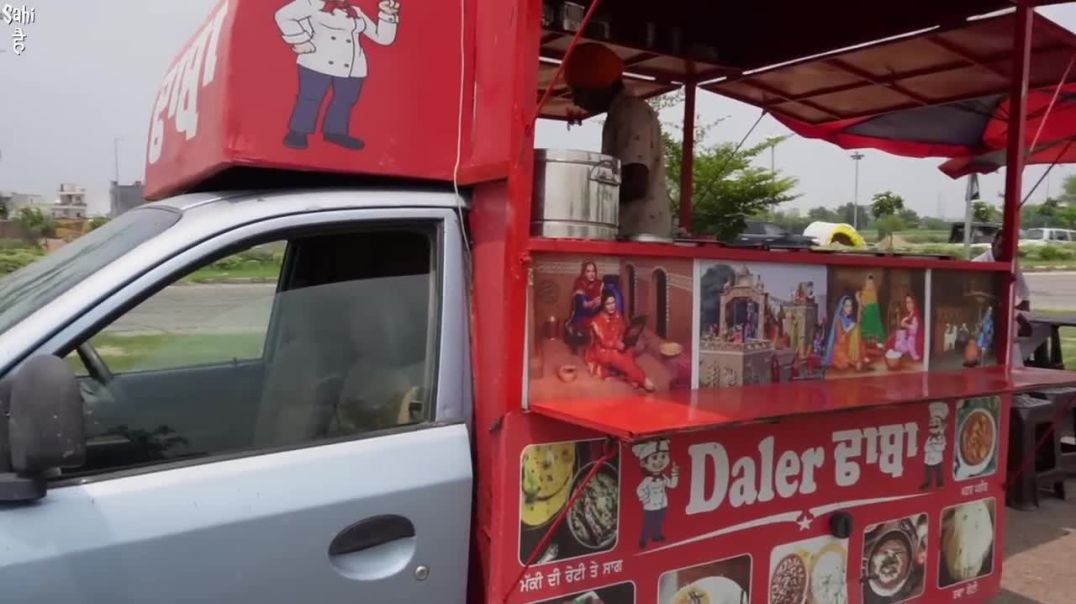
17 Years Old Daler Singh ka Santro Dhaba _ Rs 70 _ Street Food India
shorties,quickies,reels,shorts,videos,
official_Sahi_Hai

19 Years Old Sardarji ka Punjabi Pizza _ Street Food India _ BRAND FAIL_
shorties,quickies,reels,shorts,videos,
official_Sahi_Hai

175_- Only _ Sardarji ka INSANE Fresh Dough Pizza _ Street Food India
shorties,quickies,reels,shorts,videos,
official_Sahi_Hai

Desi Indian Chinese Food के KING _ Schezwan Momos, Kurkure Momos, Spl Noodles _ Street Food India
shorties,quickies,reels,shorts,videos,
official_Sahi_Hai

DESI vs VIDESI BURGER _ Burgers Under Rs 50 _ Street Food India _ Ludhiana
shorties,quickies,reels,shorts,videos,
official_Sahi_Hai
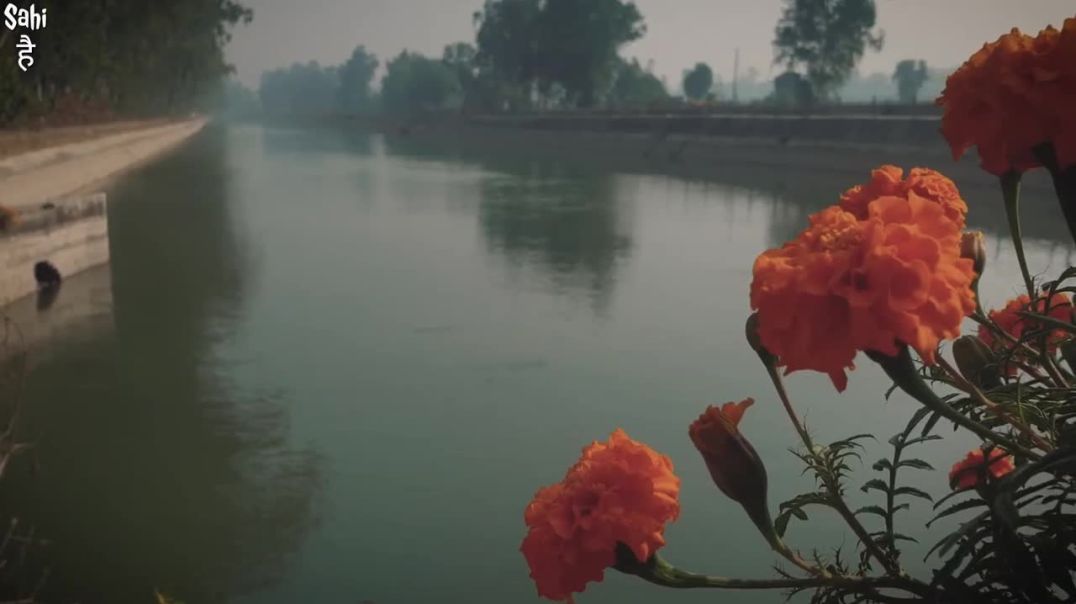
Hidden Street Food in Ludhiana _ Kurkure PAKORE _ Crispy Bread Pakora _ Ludhiana Street Food
shorties,quickies,reels,shorts,videos,
official_Sahi_Hai

Indian Street Food ka Mela _ Street Food India _ Ludhiana Street Food
shorties,quickies,reels,shorts,videos,
official_Sahi_Hai

Jammu ka Oldest Breakfast _ Street Food India _ Chajju ki JUMBO Poori
shorties,quickies,reels,shorts,videos,
official_Sahi_Hai
INFO:
Track: Asa Puttene
Album: Rama Keerthanam
Performers: Seshulatha Kosuru - Lalitha
INFO:
Track: Ninu Bonichedana
Album: Rama Keerthanam
Performers: Sangeetha Kala - Rajyalaxmi
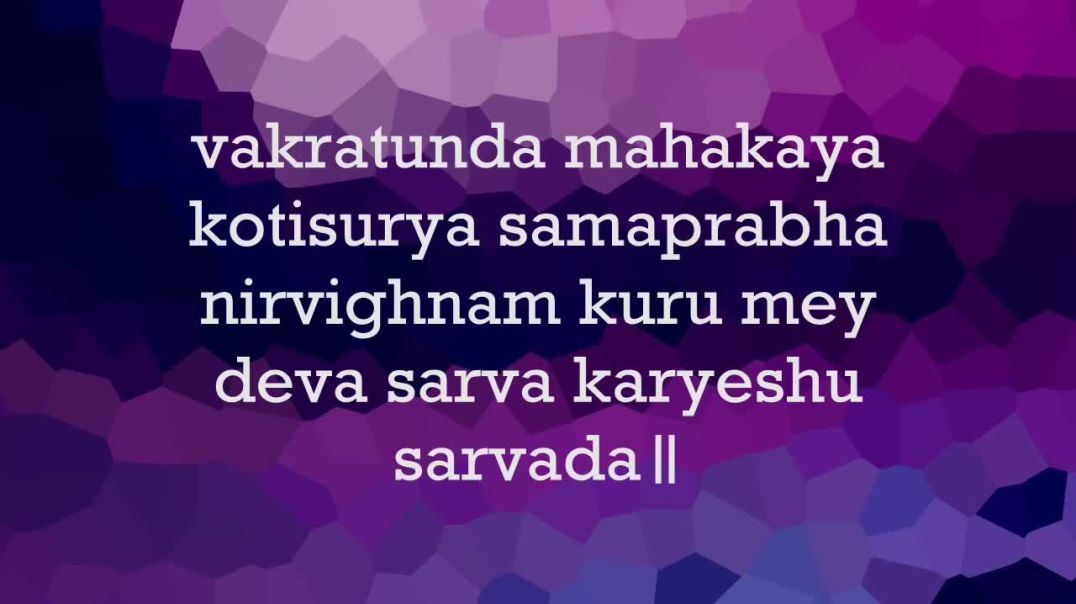
Vakratunda Mahakaya Kotisurya Samaprabha
Nirvighnam Kuru Mey Deva Sarva Karyeshu Sarvada
MEANING:
O Lord Ganesha, with the curved trunk, mighty body and the brilliance of a million suns, I pray to thee to make my works free of obstacles.
This video contains 9 repetitions.
[Repeat 12 times for 108 repetitions]
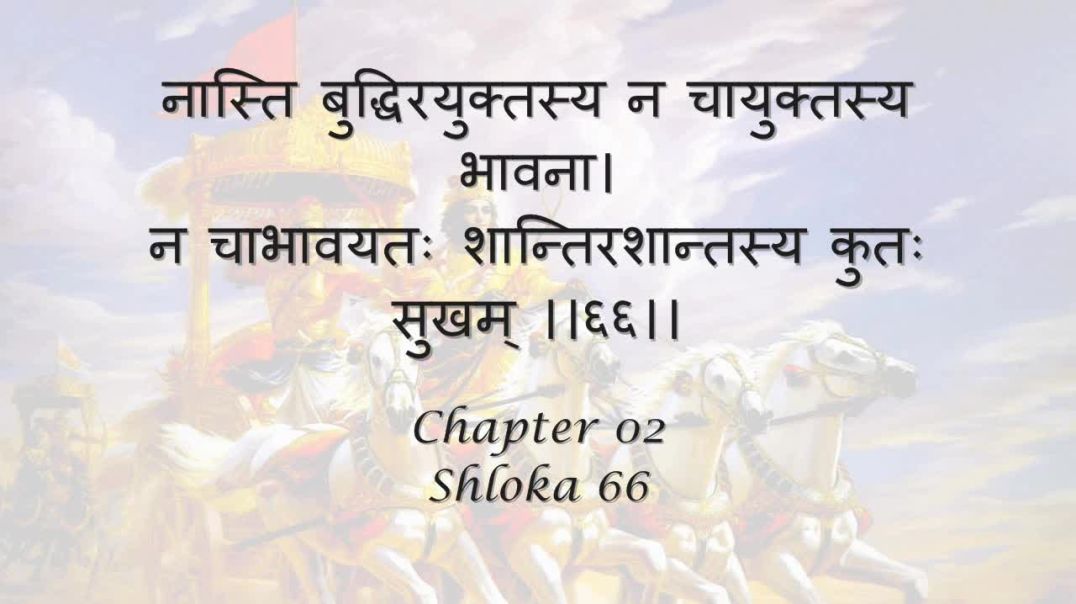
Sanskrit recitation, followed by Hindi translation of Chapter 2, Verse .
Text:
नास्ति बुद्धिरयुक्तस्य न चायुक्तस्य भावना।
न चाभावयतः शान्तिरशान्तस्य कुतः सुखम् ।।६६।।
Translation:
न जीते हुए मन और इन्द्रियों वाले पुरुष में निश्चयात्मिका बुद्धि नहीं होती और उस अयुक्त मनुष्य के अन्तःकरण में भावना भी नहीं होती तथा भावनाहीन मनुष्य को शान्ति नहीं मिलती और शान्तिरहित मनुष्य को सुख कैसे मिल सकता है?
~~~~~~~~~~~~~~~~
OVERVIEW:
The Bhagavad Gita is a 700-verse scripture that is part of the Hindu epic Mahabharata. This scripture contains a conversation between Pandava prince Arjuna and his guide Lord Krishna on a variety of theological and philosophical issues.
Faced with a fratricidal war, a despondent Arjuna turns to his charioteer Krishna for counsel on the battlefield. Krishna, through the course of the Gita, imparts to Arjuna wisdom, the path to devotion, and the doctrine of selfless action.
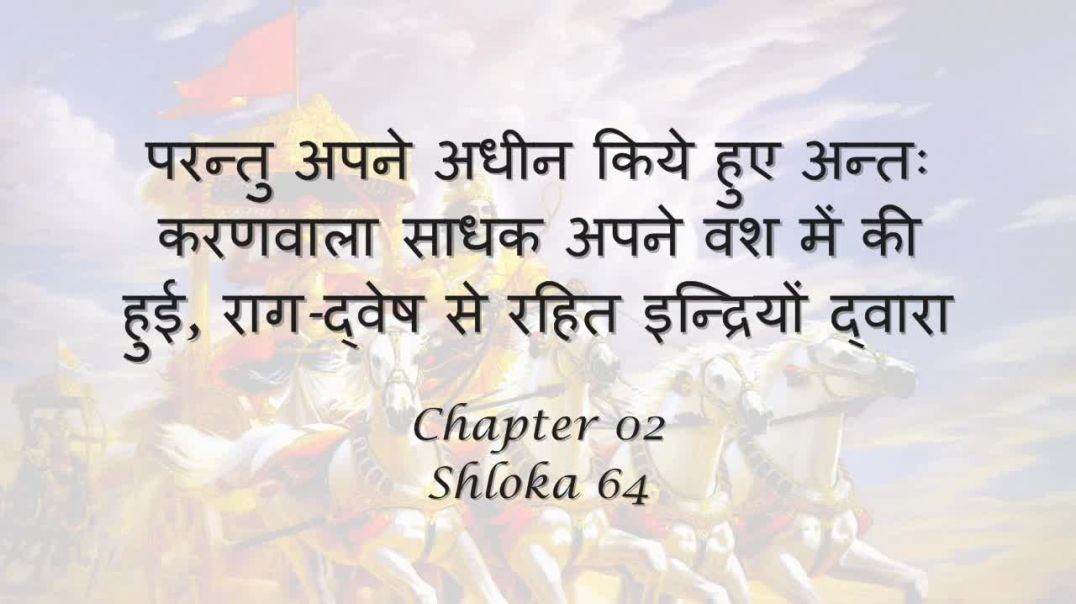
Sanskrit recitation, followed by Hindi translation of Chapter 2, Verse .
Text:
रागद्वेषवियुक्तैस्तु विषयानिन्द्रियैश्चरन्।
आत्मवश्यैर्विधेयात्मा प्रसादमधिगच्छति ।।६४।।
Translation:
परन्तु अपने अधीन किये हुए अन्तः करणवाला साधक अपने वश में की हुई, राग-द्वेष से रहित इन्द्रियों द्वारा विषयों में विचरण करता हुआ अन्तःकरण की प्रसन्नता को प्राप्त होता है।
~~~~~~~~~~~~~~~~
OVERVIEW:
The Bhagavad Gita is a 700-verse scripture that is part of the Hindu epic Mahabharata. This scripture contains a conversation between Pandava prince Arjuna and his guide Lord Krishna on a variety of theological and philosophical issues.
Faced with a fratricidal war, a despondent Arjuna turns to his charioteer Krishna for counsel on the battlefield. Krishna, through the course of the Gita, imparts to Arjuna wisdom, the path to devotion, and the doctrine of selfless action.
SHOW LESS
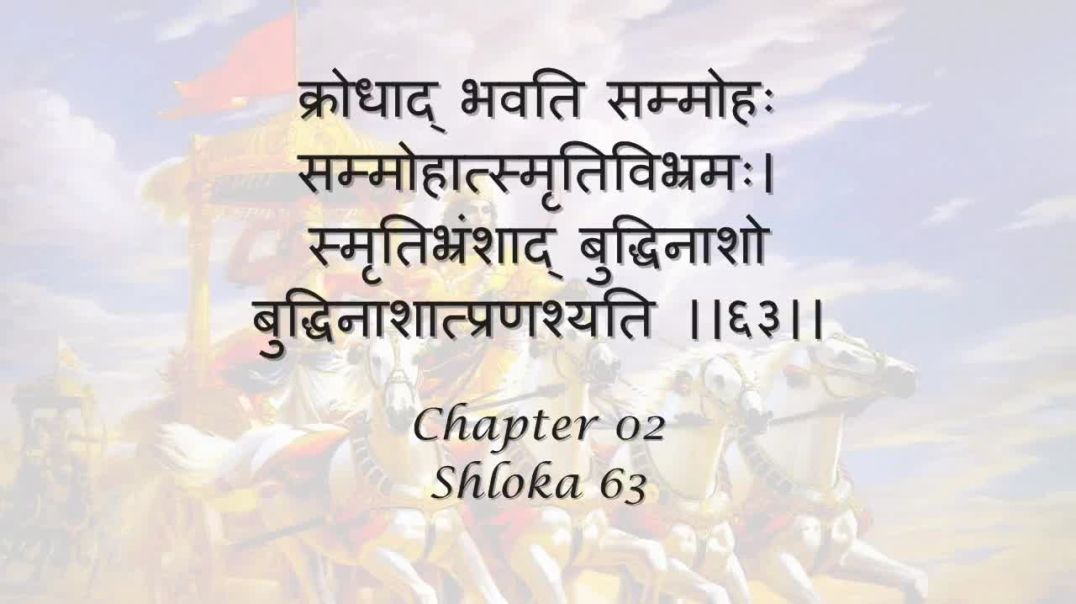
Sanskrit recitation, followed by Hindi translation of Chapter 2, Verse .
Text:
क्रोधाद् भवति सम्मोहः सम्मोहात्स्मृतिविभ्रमः।
स्मृतिभ्रंशाद् बुद्धिनाशो बुद्धिनाशात्प्रणश्यति।।६३।।
Translation:
क्रोध से अत्यन्त मूढ़भाव उत्पन्न हो जाता है, मूढ़भाव से स्मृति में भ्रम हो जाता है, स्मृति में भ्रम हो जाने से बुद्धि अर्थात् ज्ञानशक्ति का नाश हो जाता है और बुद्धि का नाश हो जाने से यह पुरुष अपनी स्थिति से गिर जाता है।
~~~~~~~~~~~~~~~~
OVERVIEW:
The Bhagavad Gita is a 700-verse scripture that is part of the Hindu epic Mahabharata. This scripture contains a conversation between Pandava prince Arjuna and his guide Lord Krishna on a variety of theological and philosophical issues.
Faced with a fratricidal war, a despondent Arjuna turns to his charioteer Krishna for counsel on the battlefield. Krishna, through the course of the Gita, imparts to Arjuna wisdom, the path to devotion, and the doctrine of selfless action.
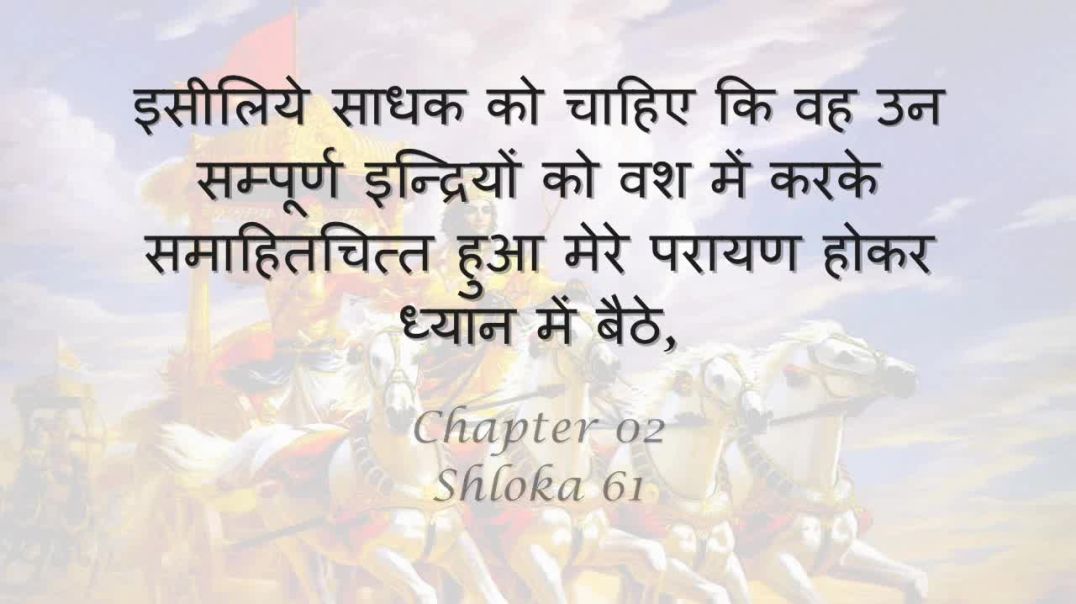
Sanskrit recitation, followed by Hindi translation of Chapter 2, Verse .
Text:
तानि सर्वाणि संयम्य युक्त आसीत मत्परः।
वशे हि यस्येन्द्रियाणि तस्य प्रज्ञा प्रतिष्ठिता ।।६१।।
Translation:
इसीलिये साधक को चाहिए कि वह उन सम्पूर्ण इन्द्रियों को वश में करके समाहितचित्त हुआ मेरे परायण होकर ध्यान में बैठे, क्योंकि जिस पुरुष की इन्द्रियाँ वश में होती हैं, उसी की बुद्धि स्थिर हो जाती है।
~~~~~~~~~~~~~~~~
OVERVIEW:
The Bhagavad Gita is a 700-verse scripture that is part of the Hindu epic Mahabharata. This scripture contains a conversation between Pandava prince Arjuna and his guide Lord Krishna on a variety of theological and philosophical issues.
Faced with a fratricidal war, a despondent Arjuna turns to his charioteer Krishna for counsel on the battlefield. Krishna, through the course of the Gita, imparts to Arjuna wisdom, the path to devotion, and the doctrine of selfless action.
Sanskrit recitation, followed by Hindi translation of Chapter 2, Verse 55.
Text:
श्रीभगवानुवाच
प्रजहाति यदा कामान्सर्वान्पार्थ मनोगतान्।
आत्मन्येवात्मना तुष्टः स्थितप्रज्ञस्तदोच्यते।।५५।।
Translation:
श्री भगवान बोलेः हे अर्जुन! जिस काल में यह पुरुष मन में स्थित सम्पूर्ण कामनाओं को भली भाँति त्याग देता है और आत्मा से आत्मा में ही संतुष्ट रहता है, उस काल में वह स्थितप्रज्ञ कहा जाता है।
~~~~~~~~~~~~~~~~
OVERVIEW:
The Bhagavad Gita is a 700-verse scripture that is part of the Hindu epic Mahabharata. This scripture contains a conversation between Pandava prince Arjuna and his guide Lord Krishna on a variety of theological and philosophical issues.
Faced with a fratricidal war, a despondent Arjuna turns to his charioteer Krishna for counsel on the battlefield. Krishna, through the course of the Gita, imparts to Arjuna wisdom, the path to devotion, and the doctrine of selfless action.

How to tie a tie in 10 seconds - 3 ways
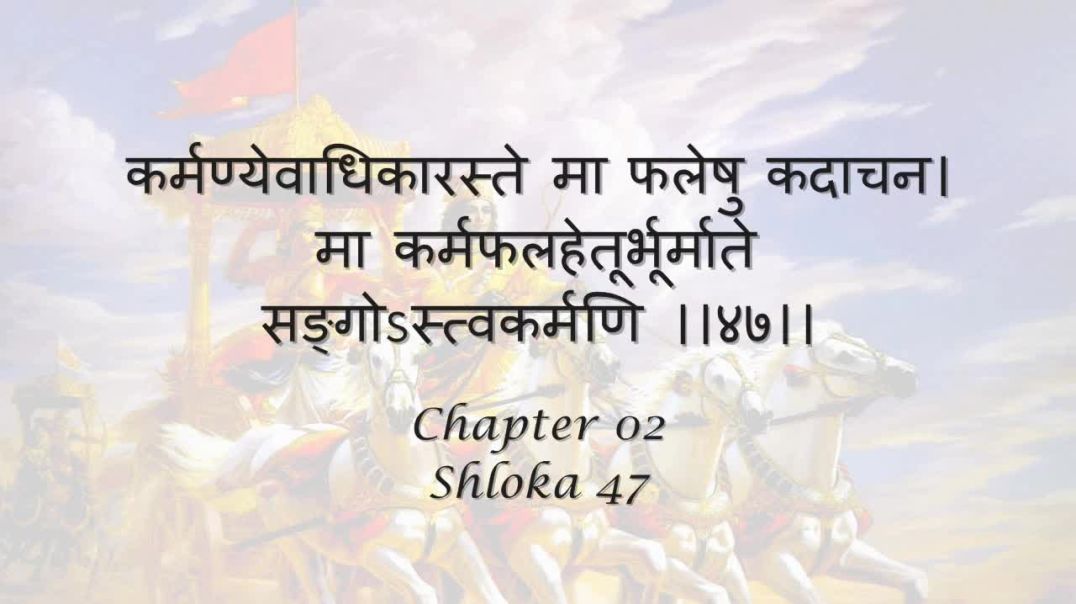
Sanskrit recitation, followed by Hindi translation of Chapter 2, Verse 47.
Text:
कर्मण्येवाधिकारस्ते मा फलेषु कदाचन।
मा कर्मफलहेतूर्भूर्माते सङ्गोऽस्त्वकर्मणि।।४७।।
Translation:
तेरा कर्म करने में ही अधिकार है, उसके फलों में कभी नहीं। इसीलिये तू कर्मों के फल का हेतु मत हो तथा तेरी कर्म न करने में भी आसक्ति न हो।
~~~~~~~~~~~~~~~~
OVERVIEW:
The Bhagavad Gita is a 700-verse scripture that is part of the Hindu epic Mahabharata. This scripture contains a conversation between Pandava prince Arjuna and his guide Lord Krishna on a variety of theological and philosophical issues.
Faced with a fratricidal war, a despondent Arjuna turns to his charioteer Krishna for counsel on the battlefield. Krishna, through the course of the Gita, imparts to Arjuna wisdom, the path to devotion, and the doctrine of selfless action.